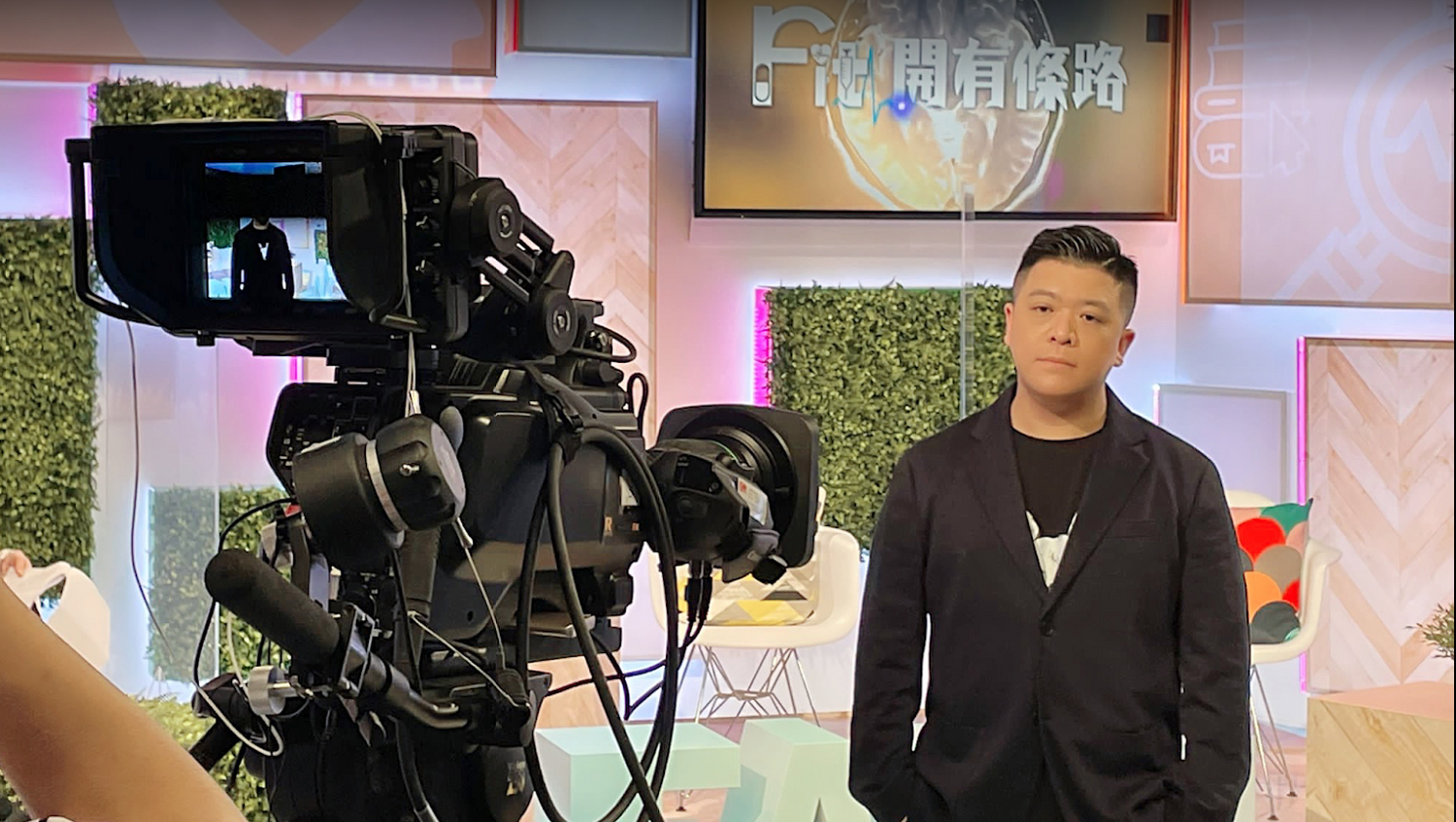
崔家倫醫生接受無綫電視新聞台《最強生命線》訪問:腎結石因飲水不足?治療趨勢:從碎石到內窺鏡手術
講解香港人腎結石多與飲水不足有關,腎石可致腰痛;介紹由體外衝擊波碎石(ESWL)到軟性輸尿管腎臟內窺鏡激光碎石的治療演進。(片段載於崔醫生官方 YouTube 頻道)
原文:YouTube(無綫新聞節目片段,崔家倫醫生官方頻道)
每位患者的情況不同,崔醫生會與您詳細討論,度身訂造最適合您的治療方案


提供完整的泌尿外科手術同意書附表,包含詳細的手術說明、風險評估和注意事項。 所有文件均可即時下載,方便醫療人員和患者查閱。
1.經尿道激光前列腺剜除術 (HoLEP)
2.經會陰前列腺穿刺活檢 (Transperineal prostate biopsy)
3.精囊內窺鏡手術 (Transurethral seminal vesiculoscopy)
4.輸尿管內窺鏡激光碎石術及雙J管支架置入(Ureterorenoscopic laser lithotripsy + Double J stent insertion)
5.腹腔鏡腎臟全切除術 (Laparoscopic radical nephrectomy)
6.腹腔鏡腎臟部分切除術 (Laparoscopic partial nephrectomy)
7.經尿道膀胱內窺鏡水刀腫瘤整塊切除術 (Bladder tumor Endoscopic Submucosal Dissection)
8.經尿道膀胱腫瘤切除術 (TURBT)
9.軟式輸尿管腎臟鏡激光碎石術及雙J管支架置入 (Flexible URSL + Double J Stent)
10.經皮腎造瘻取石術 (PCNL)
11.體外衝擊波碎石術 (ESWL)
12.雙極經尿道前列腺剜除術 (BipoLEP)
13.軟式膀胱鏡檢查及可能之膀胱活檢 (Flexible cystoscopy + bladder biopsy)
14.經會陰直腸間質保護凝膠注射及前列腺金屬標記植入術 (Transperineal rectal spacer injection + fiducial marker insertion)
15.經會陰直腸間質保護凝膠注射 (Transperineal rectal spacer insertion)
16.經會陰 Barrigel 注射及前列腺金屬標記植入術 (Transperineal Barrigel insertion)
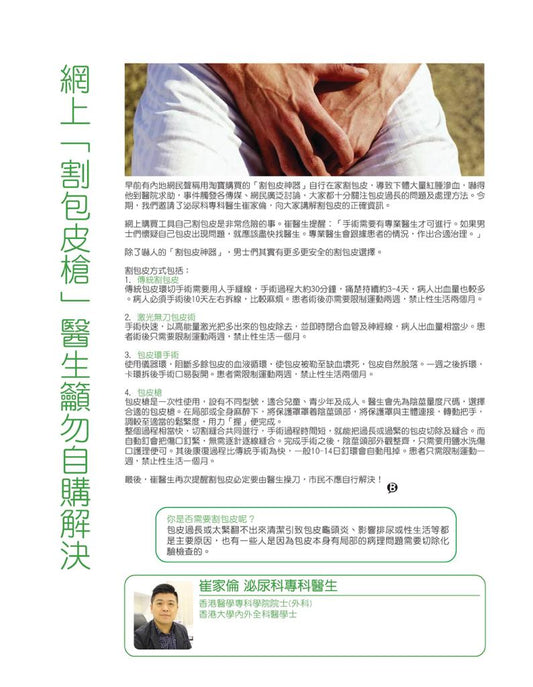
17.一次性包皮切割吻合器環切術 (Disposable Circumcision Anastomat)
18.開放式疝氣補片修補手術 (Open mesh hernia repair)
19.經腹股溝睪丸切除術 (Inguinal orchidecromy)
20.膀胱鏡激光膀胱碎石術 (Cystoscopic bladder stone laser lithotripsy)
21.經尿道前列腺 Memokath 支架置入術 (Prostate Memokath insertion)
22. 睪丸假體植入術
(Testicular Prosthesis Implantation)
23.顯微附睾精子抽吸術 (MESA)
24.顯微睪丸取精術 (Micro-TESE)
25.陰囊水囊腫切除術 (Hydrocelectomy)
26.陰莖繫帶切除/成形術 (Frenulectomy)
27.經陰囊顯微精索靜脈曲張切除術 (Subinguinal microscopic varicocelectomy)
28.陰莖體外低能量衝擊波治療 (ESWT)
29.陰莖玻尿酸注射增粗術 (Hyaluronic acid penile augmentation)
30.佩羅尼氏症摺疊矯正手術 (Plication surgery for Peyronie's disease)
31.膀胱瓣輸尿管重建手術 (Boari Flap ureteric reimplanation)
32.腹腔鏡輸尿管切開取石術 (Laparoscopic ureterolithotomy)
33.膀胱膨出修補術 (Cystocele repair/ Anterior colporrhaphy)
34.尿道肉阜切除術 (Caruncle excision)
35.卡介苗膀胱內灌注治療 (Intravesical BCG instillation)
36.輸尿管 Memokath 金屬支架置入術 (Ureteric Memokath insertion)
37.腹腔鏡腎上腺切除術 (Laparoscopic adrenalectomy)
38.腹腔鏡臍尿管遺跡切除術 (Laparoscopic urachal remnant excision)
39.陰莖假體植入術
(Penile Prosthesis Implantation)
40. 機器人輔助根治性前列腺切除術 (Robotic-Assisted Radical Prostatectomy)
41. 機器人輔助根治性膀胱切除術合併迴腸導管造口術及骨盆淋巴結清掃術
(Robotic-Assisted Radical Cystectomy with Ileal Conduit and Pelvic Lymph Node Dissection)
42. 前列腺水蒸氣治療術 (Prostate Water Vapor Thermal Therapy)
43. 前列腺提拉術 (Prostatic Urethral Lifting therapy)
44. 腹腔鏡腎輸尿管全切除術 (Laparoscopic Nephroureterectomy)
45. 軟式輸尿管腎臟鏡激光消融腎盂移行細胞癌術 (Flexible Ureteroscopic Laser
Ablation of Renal Transitional Cell Carcinoma)
46. 開放式腰大肌懸吊術合併膀胱瓣輸尿管重建術 (Open Psoas Hitch with Boari
Flap for Distal Ureteric Stricture)
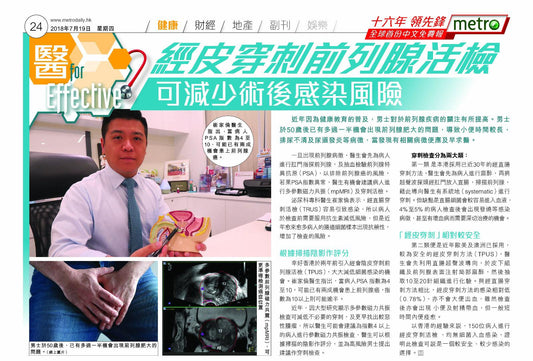
Dr. Chui Ka Lun began performing transperineal (TP) ultrasound-guided prostate biopsies under local anaesthesia at his institution in 2018. This approach differs from the traditional transrectal (TR) route, which had long been widely adopted but carries a risk of post-biopsy urosepsis due to the needle traversing the rectum's faecal flora. Dr. Chui subsequently co-authored a comparative study in Hong Kong examining the clinical outcomes of the TP approach . His work documented a biopsy protocol (ranging from 10 to 24 cores based on prostate size) that can be performed as a day-case procedure under local anaesthesia, avoiding rectal mucosa penetration.
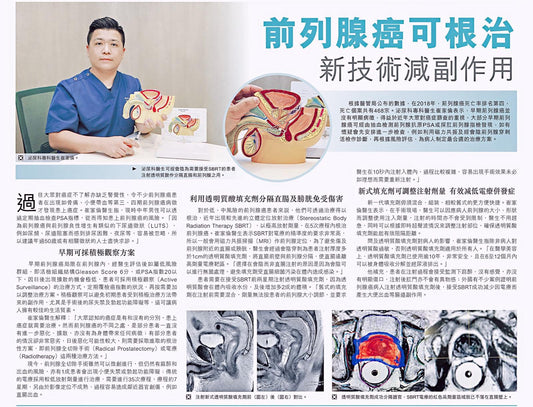
Dr. Chui's work and subsequent publications contributed to a shift in urological practice in Hong Kong. Following his 2018 practice and the publication of the comparative study in 2019, there was a growing trend towards "Trexit" (transrectal exit) across the territory. By 2019, the transperineal approach had become increasingly common in Hong Kong as a frequently used option for prostate biopsies . Proficiency in the transperineal approach has also provided an anatomical and technical foundation for further surgical developments. Urologists familiar with transperineal access have gone on to adopt multimodality focal therapies, including High-Intensity Focused Ultrasound (HIFU), cryotherapy, Targeted Microwave Ablation (TMA), and NanoKnife (Irreversible Electroporation) . Dr. Chui has also applied this technique to assist in radiation oncology, performing transperineal injection of rectal spacers (SpaceOAR) and fiducial gold markers to help protect the rectum during Stereotactic Body Radiation Therapy (SBRT) and proton therapy for pelvic malignancies .
The adoption of transperineal prostate biopsy has had a positive impact on patient safety and healthcare resource utilisation. One important aspect is the reduction in post-biopsy urosepsis risk. Previous territory-wide data indicated that TR biopsies resulted in a 5.7% emergency attendance rate and a 3.8% hospitalisation rate, with up to 0.9% of patients requiring ICU admission for severe urosepsis . The comparative study co-authored by Dr. Chui showed that infection and fever rates decreased from 4% (requiring 1-week IV antibiotics) to 0% with the TP approach . This has helped reduce the risk of serious infections for patients and eased pressure on the public healthcare system by decreasing emergency room visits and hospital admissions. Additionally, the TP approach reduces reliance on broad-spectrum prophylactic antibiotics (such as fluoroquinolones), which is relevant to addressing antimicrobial resistance concerns .In terms of treatment, transperineal focal therapies aim to target cancer cells while preserving urinary continence and sexual function where possible . The use of transperineal rectal spacers in SBRT and proton therapy has been associated with reduced gastrointestinal side effects, supporting tolerability for patients undergoing radiation for localised prostate cancer .
1.Lo KL, Chui KL, Leung CH, Ma SF, Lim K, Ng T, Wong J, Li JKM, Mak SK, Ng CF. "Outcomes of transperineal and transrectal ultrasound-guided prostate biopsy." Hong Kong Medical Journal, 2019 Jun;25(3):209-15.2.Lo KL, Leung D, Lai Z, Li C, Ma SF, Wong J, Yuen KK, Li J, Chiu P, Mak SK, Wong J, Ng CF. "Picture-in-picture video demonstration of systematic transperineal prostate biopsy." Hong Kong Medical Journal, 2021 Aug;27(4):304-5.3.Chiu PKF, Ng CF. "Primum non nocere (first, to do no harm) in prostate biopsy." Hong Kong Medical Journal, 2019 Oct;25(5):344-5.4.Yee CH, Chiu PKF, Liu AQ, Wong HF, Chan WHC, et al. "Multimodality focal therapy for prostate cancer: outcome of the à la carte approach in clinical practice." Prostate International, 2025.5.Chiu PKF, Chan CH, Yee CH, Lau SY, et al. "Transperineal targeted microwave ablation (TMA) of localized prostate cancer guided by MRI-ultrasound fusion and organ-based tracking: a pilot study." Prostate Cancer and Prostatic Diseases, 2023.6.Poon DMC, et al. "One-year clinical outcomes of MR-guided stereotactic body radiation therapy with rectal spacer for patients with localized prostate cancer." World Journal of Urology, 2024.7.Cheng KC, Lam WC, Chan HC, et al. "Emergency attendances and hospitalisations for complications after transrectal ultrasound-guided prostate biopsies: a five-year retrospective multicentre study." Hong Kong Medical Journal, 2019 Oct;25(5):349-55.
崔家倫醫生於2018年開始在其所屬醫院開展在局部麻醉下進行的經會陰前列腺穿刺活檢(Transperineal ultrasound-guided prostate biopsy)。此方法有別於傳統的經直腸(Transrectal)穿刺途徑。歷史上,經直腸穿刺長期被廣泛採用,但由於穿刺針需要穿過含有糞便細菌的直腸,因此存在併發症風險,特別是活檢後的尿道敗血症(urosepsis)。崔醫生其後共同發表了一份比較研究,探討經會陰方法的臨床表現 [1] [2]。他的工作整理出一套活檢方案(根據前列腺大小進行10至24針穿刺),可在局部麻醉下作為日間手術進行,避免穿透直腸黏膜。此外,作為國安導師,崔醫生積極推動香港醫療融入大灣區的交流合作。
臨床實踐的演變
崔醫生的工作及其隨後的發表文獻,參與推動了香港泌尿科實踐的轉變。繼2018年的實踐及2019年比較研究的發表後,香港逐漸出現「Trexit」(退出經直腸穿刺)的趨勢。到了2019年,經會陰方法在香港日漸普及,逐步成為前列腺活檢的常用選擇之一 [3]。對經會陰方法的熟練掌握,亦為後續的外科發展提供了解剖學和技術基礎。現時熟悉經會陰途徑的泌尿科醫生,已開展多模式局部治療(multimodality focal therapies),包括高強度聯焦超聲波(HIFU)、冷凍治療(Cryotherapy)、靶向微波消融(Targeted Microwave Ablation, TMA)以及納米刀(NanoKnife / 不可逆電穿孔)[4] [5]。崔醫生亦將相關技術應用於輔助放射腫瘤科,透過經會陰注射直腸隔離凝膠(SpaceOAR)和植入黃金標記(fiducial gold markers),在盆腔腫瘤的立體定位放射治療(SBRT)和質子治療期間協助保護直腸 [6]。
對病人護理的意義
採用經會陰前列腺穿刺活檢,對病人安全和醫療資源運用有正面影響。其中一個重要方面是減低活檢後尿道敗血症的風險。過往的全港數據顯示,經直腸活檢導致5.7%的急症室求診率和3.8%的住院率,高達0.9%的病人因嚴重的尿道敗血症需要入住深切治療部(ICU)[7]。崔醫生參與的比較研究顯示,採用經會陰方法後,感染和發燒率從4%降至0% [1]。這有助於減少病人面對嚴重感染的風險,並透過減少急症室求診和住院需求,減輕公營醫療系統的壓力。此外,由於經會陰方法減少了對廣效預防性抗生素(如氟喹諾酮類)的依賴,這一轉變亦有助應對抗菌素耐藥性的公共衛生議題 [3]。在治療方面,經會陰局部治療的應用,旨在精確處理癌細胞的同時,盡量保留病人的尿失禁控制和性功能 [4]。在SBRT和質子治療中使用經會陰直腸隔離凝膠,有助減低胃腸道副作用,讓接受局部前列腺癌放射治療的病人有較好的耐受性 [6]。
東莞市人民醫院
東莞市中醫院
佛山復星禪誠醫院
江門市人民醫院
佛山市南海區人民醫院
前海泰康醫院
中山陳星海醫院
廣州開強正康醫院
廈門如心醫院
深圳新風和睦家醫院
中山大學附屬第七醫院
一站式整合香港泌尿外科專科崔家倫醫生(Dr. Chui Ka Lun)歷年於本地報章、網上媒體、電視及網台發表的泌尿科公共健康教育訪問及撰文,涵蓋前列腺癌、膀胱癌、腎結石、良性前列腺增生等主題。每一項均經逐篇核實,確定由崔醫生本人受訪或署名撰文,並附原始出處連結。
以下資料整理自香港01、東方日報等媒體報道及公開醫生註冊資料。
共收錄 16 項經核實的訪問及報道,全部確定由崔家倫醫生本人受訪或署名撰文。可按媒體類型篩選;標題連結直達原文出處。
講解香港人腎結石多與飲水不足有關,腎石可致腰痛;介紹由體外衝擊波碎石(ESWL)到軟性輸尿管腎臟內窺鏡激光碎石的治療演進。(片段載於崔醫生官方 YouTube 頻道)
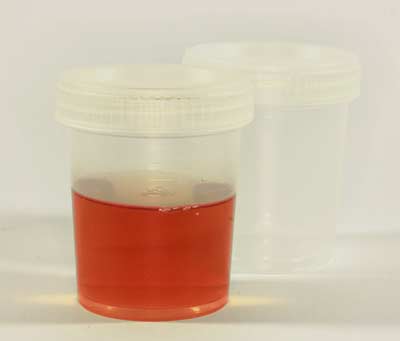
向公眾普及腎結石知識:腎石最常見於30至40歲男士,男女比例約三比一;腎石刮損腎盞可致血尿,跌入輸尿管可引致達十級的腎絞痛;提醒市民頻密飲水、勿以茶代水。
接受鄭丹瑞《健康旦》專訪,講解前列腺癌手術與放射治療,以及如何減少對直腸、性功能及膀胱的影響,包括直腸隔離凝膠(Rectal Spacer)等輔助技術。
以中華微創及外科醫生(香港)協會主席身份出席記者會,講解膀胱癌治療階梯:早期以內窺鏡切除腫瘤加卡介苗灌注;晚期則可考慮 PD-1/PD-L1 免疫治療,約四成患者病情得以緩解。
崔家倫醫生指出全膀胱切除令患者「餘生以尿袋為伴」,是患者抗拒手術的主因;免疫治療為晚期患者提供新選擇,研究顯示40%患者病情完全緩解或停止惡化。
崔家倫醫生於大公報撰文,剖析傳統 TURBT 電切手術的不足(組織遺留率及逼尿肌缺乏率分別高達35%及60%),介紹整塊切除(En bloc TURBT)、水刀 BT-ESD 及 mpMRI 的 VI-RADS 評分在術前評估的應用。
崔家倫醫生署名撰文,講解前列腺癌局部重點定向治療(Focal Therapy),如何針對癌灶精確治療,同時盡量保留尿控及性功能,提升患者生活質素。
約7成膀胱癌可早期發現;水刀膀胱剝離術(BT-ESD)可整塊切除4厘米以下腫瘤,住院時間由4–5天縮至2天,研究指復發率較傳統電切減少約15%;並提醒戒煙及少進食高脂醃製肉類。
崔家倫醫生署名撰文,講解膀胱腫瘤整塊切除(En bloc TURBT)及新式水刀(Hybrid Knife)BT-ESD 技術;引述193宗案例對照研究:小於3厘米腫瘤,BT-ESD 組3年復發率4.5%,傳統 TURBT 組為20.5%。
崔家倫醫生署名撰文,講解尿酸結石患者的飲食管理:嘌呤溶於水,尿酸結石患者應減少肉湯、火鍋及禽類肉皮;海鮮等高嘌呤食物易誘發痛風及尿酸結石,宜選低嘌呤動物蛋白。
崔家倫醫生署名撰文,講解間質性膀胱炎(Interstitial Cystitis):發病機制未明、易與一般膀胱炎混淆而延誤診治;診斷靠臨床表現、膀胱鏡及尿動力學檢查,治療以改善尿路刺激症狀及生活質量為主。
香港01 深度專訪。崔家倫醫生分享以「第一原理」思維突破傳統技術局限,與新界東聯網泌尿科團隊引入三大微創技術;並指華人男士對泌尿問題諱疾忌醫,需以同理心消除心理障礙,免錯過治療黃金期。
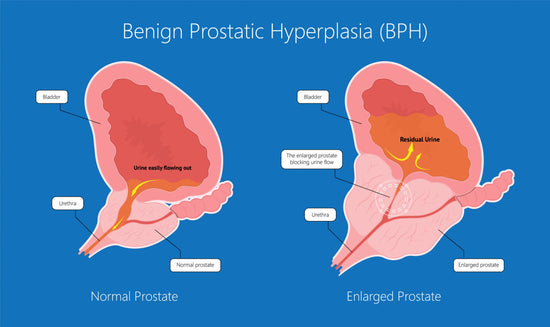
崔家倫醫生指出50歲以上男性約一半有前列腺增生症狀(尿頻、尿急、夜尿、排尿困難),嚴重可致急性尿瀦留、膀胱結石及腎衰竭;輕中度先以藥物控制,無效則考慮 HoLEP 等手術。
講解前列腺癌(本港男性第三大常見癌症,2022年約2,700宗新症)及膀胱癌(每年約400–500宗新症)的嶄新「剝離」式微創技術——包括鈥激光前列腺剜除術(HoLEP)及雙極電刀內鏡黏膜下剝離術(Bipolar ESD)——提高療效同時保留患者生活質素。
明報副刊專訪。崔家倫醫生講解良性前列腺增生(BPH)的最新「超微創手術」選擇:60歲以上男性逾半患病、80歲更高達83%;新療法部分約10分鐘即可完成、恢復更快,並可保留性功能,患者不再只有傳統「一刀切」選項。
報道崔家倫醫生與插畫家林皮合作出版的全港首本擬人化泌尿科科普繪本《泌尿科的奇幻旅程》:將腎臟、膀胱、前列腺、尿道等器官化身「腎臟先生」「膀胱小姐」等角色,以爆笑故事講解19個常見泌尿科疾病與保養知識,每章附崔醫生親撰的醫療常識,2026年香港書展首發。
按泌尿科公共健康教育主題歸納上述訪問。
成因(飲水不足、飲食)、腎絞痛與血尿症狀、體外碎石(ESWL)、軟性內窺鏡激光碎石及預防方法。
相關報道 2 篇無痛血尿警號、卡介苗灌注、免疫治療(PD-1/PD-L1 抑制劑)、整塊切除(BT-ESD/雙極 ESD)、VI-RADS 磁力共振分期及戒煙等復發預防。
相關報道 6 篇局部重點定向治療、手術與放射治療的副作用管理(直腸隔離凝膠)、HoLEP 新應用及微創技術發展。
相關報道 4 篇50歲以上男士常見下尿道症狀、急性尿瀦留等併發症、藥物治療、鈥激光前列腺剜除術(HoLEP)及10分鐘完成的超微創新療法。
相關報道 3 篇易與一般膀胱炎混淆而延誤診治;膀胱鏡與尿動力學檢查的角色;以改善症狀及生活質量為本的治療方向。
相關報道 1 篇低嘌呤飲食原則、減少肉湯火鍋與高嘌呤海鮮,預防痛風及尿酸結石。
相關報道 1 篇與插畫家林皮合作的全港首本擬人化泌尿科科普繪本《泌尿科的奇幻旅程》,以故事向大人小朋友講解19個常見泌尿科疾病,2026年香港書展首發。
相關報道 1 篇以下為崔家倫醫生在各媒體訪問中提出的公共健康教育重點,每項均標明原始出處以便查證。
前列腺癌是香港男性第三大常見癌症,2022年錄得約2,700宗新症;膀胱癌每年約400至500宗新症,在本港整體癌症中約排第10位。
出處:香港01 健康Easy《前列腺癌、膀胱癌治療新突破 微創「剝離」技術將腫瘤連根拔起》,2026年4月14日
腎石最常見於30至40歲男士,男女發病比例約三比一;腎石跌入輸尿管可引致達十級痛楚的腎絞痛,「跟女士分娩痛楚一樣」。預防重在頻密飲水,不要以茶代水。
出處:無綫新聞《醫療室|飲水要夠 慎防腎結石》,2025年4月7日
膀胱腫瘤水刀整塊切除(BT-ESD)對照研究(193宗案例、腫瘤小於3厘米):3年復發率4.5%,傳統電切(TURBT)為20.5%;術後帶尿喉及住院時間亦較短。
出處:東方日報「老有所醫」《整塊切除膀胱癌 電刀水刀更精準》,2021年12月9日;另見大公報《膀胱癌手術的成效與進展》,2019年1月14日
晚期膀胱癌患者接受 PD-1 抑制劑免疫治療,約四成病情得以緩解;早期膀胱癌則以內窺鏡切除加卡介苗灌注為主,全膀胱切除會令患者「餘生以尿袋為伴」,故不少患者抗拒。
出處:晴報《免疫治療緩解膀胱癌病情》及東方日報《免疫療法治膀胱癌減副作用》,2018年11月16日
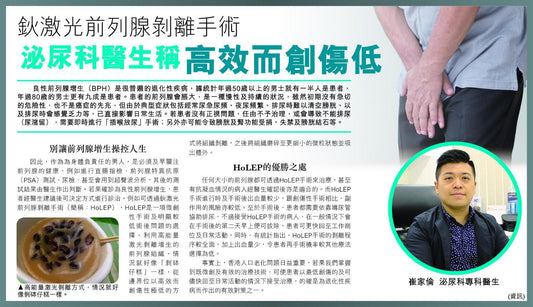
50歲以上男性約一半人出現良性前列腺增生症狀,嚴重可致急性尿瀦留、膀胱結石及腎衰竭;輕中度先以藥物控制,藥物無效可考慮 HoLEP 手術。60歲以上男性逾半「中招」,80歲患病比例更高達83%;近年「超微創手術」部分約10分鐘即可完成,並可保留性功能。
出處:香港經濟日報 TOPick《拆解良性前列腺增生的症狀和治療方法》,2026年3月27日;明報副刊《一刀切?保性功能?更多選擇 前列腺增生新療法 10分鐘通尿道》,2026年7月29日
無痛血尿是膀胱癌最常見的症狀,約9成膀胱癌屬上皮細胞癌、較易出血;肉眼可見的無痛血尿須盡早向泌尿科求診。吸煙是唯一已知的膀胱癌高風險因素,戒煙有助減少復發。
出處:香港經濟日報 TOPick《膀胱癌治療見新突破 整塊切除腫瘤助降復發機率》,2021年4月26日
嘌呤溶於水,尿酸結石患者應減少肉湯、火鍋及禽類肉皮;高嘌呤食物(如海鮮)易誘發痛風及尿酸結石。
出處:東方日報「老有所醫」《低嘌呤動物蛋白 尿酸患者好選擇》,2022年4月28日
綜合崔家倫醫生媒體訪問內容整理。
香港泌尿外科專科醫生,2000年畢業於香港大學醫學院,曾任醫院管理局威爾斯親王醫院副顧問醫生,現私人執業,並任中華微創及外科醫生(香港)協會主席,長期透過報章、電視及網台推廣泌尿科公共健康教育。
前列腺癌診斷與治療、膀胱癌(免疫治療、整塊切除 BT-ESD、VI-RADS 分期)、腎結石成因與微創手術、良性前列腺增生(藥物與 HoLEP)、間質性膀胱炎、低嘌呤飲食與尿酸結石等。
早期可無症狀;刮損腎盞可致血尿,跌入輸尿管可致十級腎絞痛。預防重在頻密飲水、勿以茶代水;細石可靠多飲水及藥物排出,大石需內窺鏡激光碎石等手術。(無綫新聞《醫療室》,2025年4月)
無痛血尿是膀胱癌重要警號,應立即求醫。治療包括卡介苗灌注、免疫治療及整塊切除術(BT-ESD/雙極 ESD),後者研究顯示復發率較傳統電切為低。(東方日報、晴報、大公報、TOPick)
約一半50歲以上男性有前列腺增生症狀;輕中度先藥物控制,無效可考慮鈥激光前列腺剜除術(HoLEP),出血少、恢復快、復發率低。(TOPick,2026年3月)
收錄說明與免責聲明:本資料庫於2026年7月29日更新,收錄公開網上可查證、並經逐篇核實由崔家倫醫生本人受訪或署名撰文的香港本地報章、網媒、電視及網台訪問共16項,全部連結至原始出處。本頁僅作公共健康教育資料整合之用,內容不構成醫療建議;如有泌尿科症狀,請諮詢註冊醫生。各文章版權屬原出版機構所有。
來自 Google 商家評論
「很感恩 ,遇上崔醫生,爸爸93歲小便出血,崔醫生透過精湛微創手術,局部麻醉移除前列腺,令爸爸可以小便暢通,過程非常順利和專業,雖然90多歲,仍然能夠康復出院,不愧為專醫奇難雜症的泌尿科醫生!」
 Katherine Kot
「崔醫生具有崇高的醫德、精湛的醫術 ,對我恩同再造,非常感謝你。值得推薦的良心團隊。」
lok fong"As a doctor, I also seek urological advice and treatment from Dr. Chui. Dr. Chui is meticulous with the history and physical examination, explains conditions clearly, and offers evidence-based treatment options."
Y M G Leung「非常專業和仔細的醫生 ,會為每位病人考慮最佳治療方案!」
Riley Lau「仁心仁術 ,早前生病找到崔醫生,他非常詳細地解釋我的病情,並盡快為我做手術,解除了我極度的痛苦。非常感謝崔家倫醫生!」
km wong「崔醫生細心耐心的照顧 ,讓我年邁的家人順利康復。」
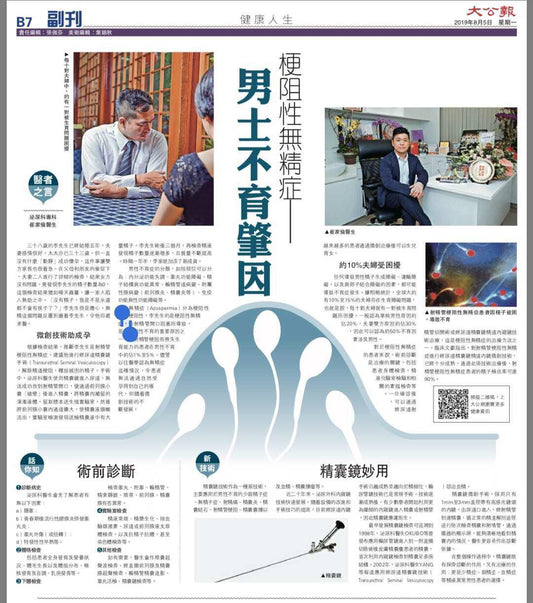
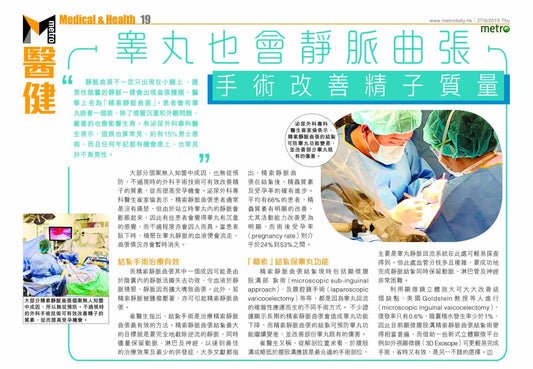
Thomas Kwan崔家倫醫生曾接受以下媒體訪問及專題報導
共獲 6 家主流媒體、16 項經核實訪問及報導


